On Contemporary Art: Major Trends in Art Since 1945
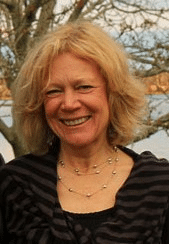
Join Barbara Zabel, Professor Emerita at Connecticut College, for a special four-part art history mini-series exploring the development of contemporary art. This four-part series offers an overview of key movements and transformations in contemporary art since 1945. Designed as an introduction to this complex and expansive subject, the series will provide context for understanding contemporary art, enhance your museum visits, and inspire further exploration.
You can register for individual lectures or the entire series.
Dates: Wednesdays, October 28, November 4, November 11 & November 18
Time: Reception at 5:30 pm, Lecture at 6 pm
Cost: Members $20 per lecture / Non-Members $25 per lecture
Classes
- October 28: Looking Back, Looking Forward: The Genesis of Abstract Expressionism
- The first session explores the profound shift in the global art scene caused by World War II. Abstract Expressionism emerged in New York in the late 1940s, when artists like Jackson Pollock and Lee Krasner sought new forms of expression to cope with the trauma and uncertainty of the era. This movement positioned New York as the new epicenter of the art world, a radical change from European dominance of previous centuries.
- November 4: The Rise of Consumer Culture: Assemblage, Pop, Graffiti and Performance Art
- The second session focuses on the post-war years, marked by great prosperity, as mass production, advertising and popular culture boomed. Assemblage and Pop Artists like Rauschenberg and Warhol embraced but also critiqued this culture by incorporating imagery from comic strips, advertisements, and everyday objects. We’ll see how their art paved the way for Graffiti and Performance Art
- November 11: Mixt Meanings: Minimal, Conceptual, Post-minimal and Earth Art; Neo-expressionism and the Resurgence of Narrative
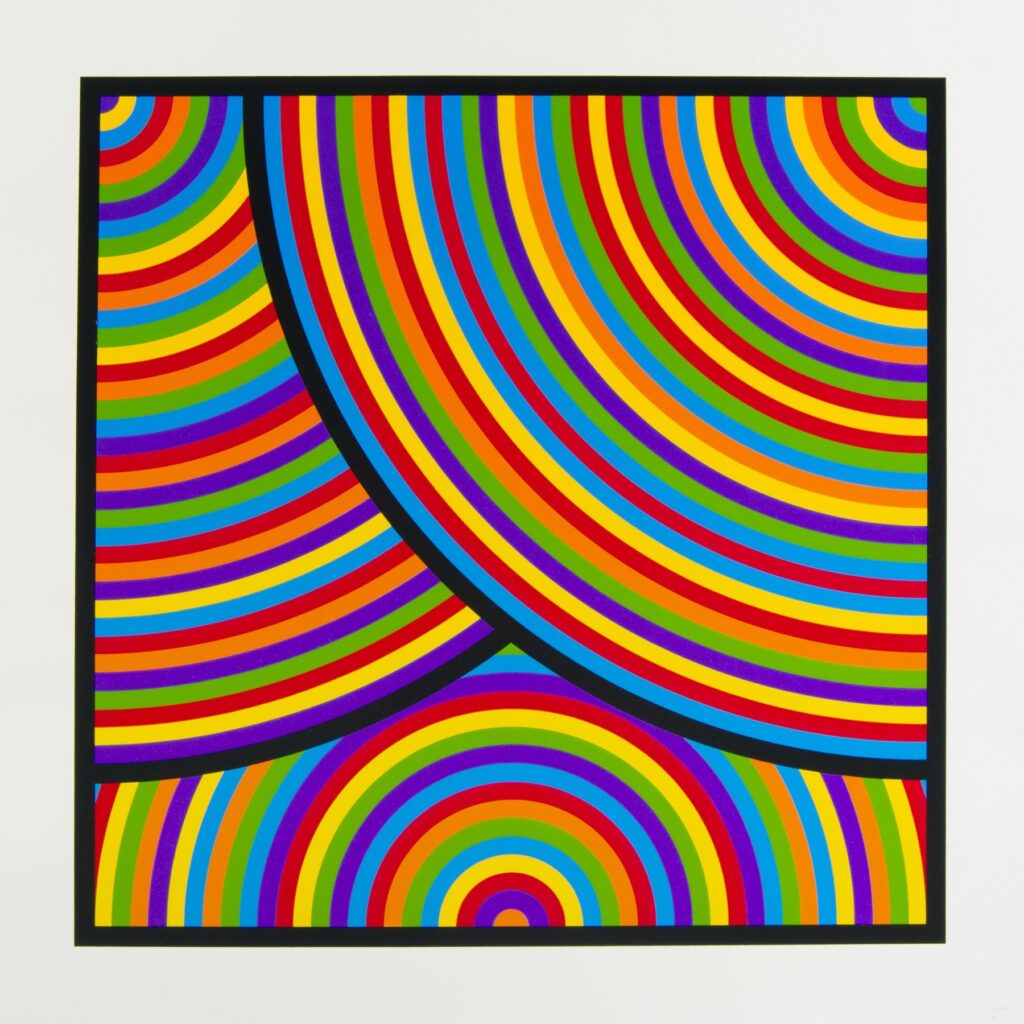
- In opposition to Pop, some artists favored simplicity, structure and intellectual engagement. Minimalist artists like Donald Judd presented basic geometric objects, while Conceptual artists like Sol LeWitt shifted focus from objects to the idea behind the artwork. Post-minimal and Earth artists like Anna Mendieta and Robert Smithson challenged the gallery system by turning to natural material and to projects on and/or of the earth itself. And New Image and the Neo-expressionist artists returned to easel painting and to narrative content, an approach that continues to the present.
- November 18: ‘Fire and Ice’: Art in the Time of Crisis
- In recent decades, the art world has become increasingly globalized, with artists from diverse backgrounds addressing issues of identity, politics, and technology. We will consider how artists grapple with climate change, migration, and social justice. And we’ll speculate on the future of the art world, which promises to be dynamic and unpredictable, shaped by global events and technological innovation like AI.
About the Speaker
Barbara Zabel is a Professor Emerita at Connecticut College, where she taught modern and contemporary art. She received her PhD at the University of Virginia and has received grants from the NEH, the Smithsonian, and the Mellon Foundation. She has written for major art journals in her field and has published two books, the latest, Calder’s Portraits, published by the Smithsonian for an exhibition she curated at the National Portrait Gallery in Washington, D.C. More recently she co-curated an exhibition at Connecticut College, Fire and Ice: Art at the Edge of the Abyss.